Cleaning Tips · Humidity
How to stop mold and mildew in a Florida home starts with one word: humidity. In Central Florida, mold and mildew aren't a question of if but where. Our climate gives them everything they need. The good news: a few habits and the right cleaning routine keep them out for good. Here's where they hide and how to win.
By Joey Maher, Owner, Orchid Cleaning Service, Winter Haven, FL.
Reviewed for quality by Beverly Hughes, Commercial Operations Lead.
Mold needs three things: moisture, warmth, and something organic to feed on. Our climate delivers the first two year-round, and household dust supplies the third. Control moisture and you remove the one variable you actually can.
Your air conditioner is your dehumidifier, and two settings decide whether it's actually doing that job:
A $15 hygrometer on the kitchen counter tells you if any of this is working: you want to see 45–50% relative humidity indoors. Above 60%, mold isn't a risk, it's a schedule. And since the vents themselves collect the dust mold feeds on, it's worth reading our guide to cleaning AC vents and returns alongside this one.
Polk County's other mold trigger is storm season. After heavy rain intrusion, a roof leak, or post-hurricane power loss (no AC means indoor humidity climbs fast), mold can establish on wet materials in 24 to 48 hours. Dry things immediately: pull baseboards away from wet drywall, lift wet rugs off the slab, run fans and a dehumidifier, and don't close up soaked closets. Our hurricane prep and cleanup guide covers the full before-and-after routine.
For small surface mildew on hard surfaces, a solution of detergent and water (or for tougher spots, a diluted bleach or vinegar treatment) does the job; scrub, then dry completely. But porous materials that have absorbed mold (drywall, grout that won't come clean, soft furnishings) often need removal, and anything beyond about 10 square feet, or a musty smell with no visible source, is a sign to bring in help.
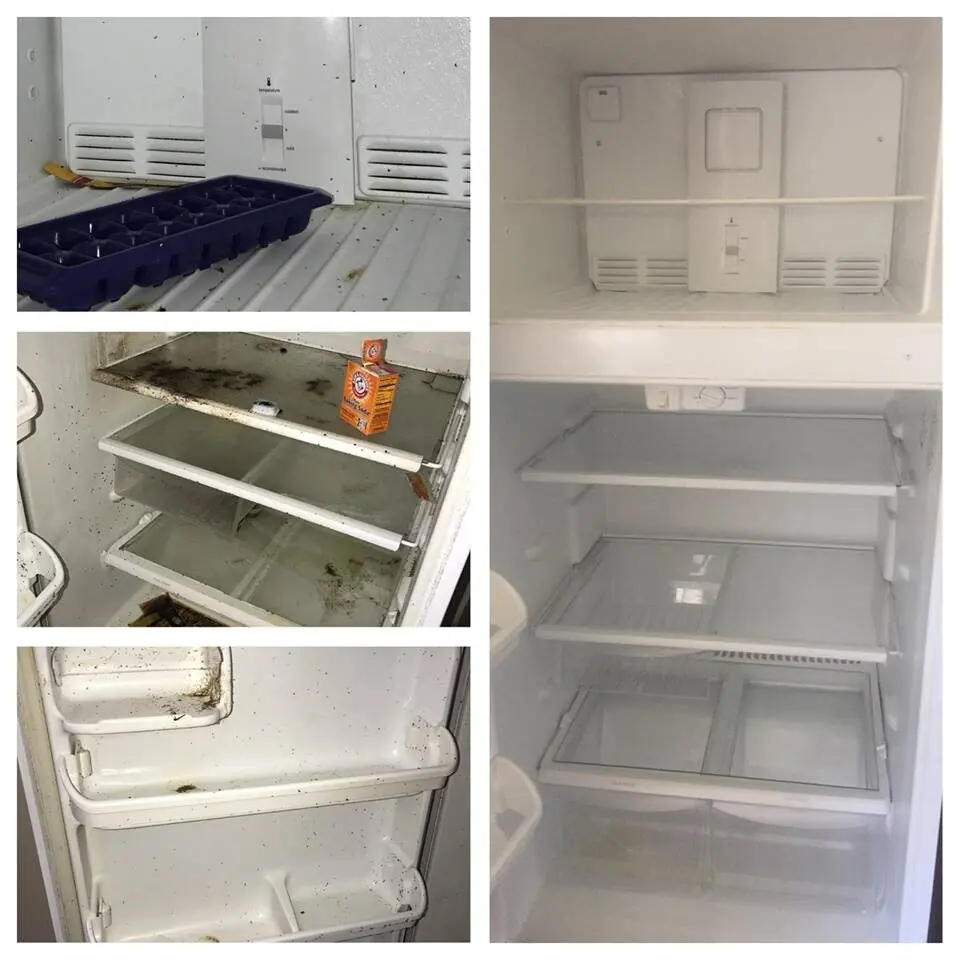
Two situations we see constantly in Polk County deserve their own mention. First, vacant homes and rentals: a house that sits closed up with the AC off between tenants grows mildew in cabinets, closets, and appliance gaskets. It's one of the most common things we correct on move-in and move-out cleans, so walk a vacant property monthly and leave the AC running. Second, bathrooms that never fully dry: if grout and caulk re-spot within a couple of weeks of scrubbing, the fix is usually airflow (run the exhaust fan for 20–30 minutes after each shower, or crack the door) plus a proper scrub-and-seal, not stronger chemicals.
Remember the third ingredient mold needs: something organic to eat. In practice that's household dust: skin cells, pet dander, pollen, cooking film. A home that's dusted, vacuumed, and wiped down on a schedule simply offers mold less to live on, and a cleaner who's in your home every week or two spots the early gray shadow in a shower corner or under a sink months before it becomes a project. For homes that are already behind, a deep clean resets the baseline: grout, gaskets, vents, baseboards, and the humidity hotspots above, so the routine visits can keep it that way.
Our deep cleaning and sanitation services target the grout, gaskets, and humidity hotspots where mildew starts, across Polk County.
Get a free quote →More cleaning tips
→ Spring Deep Cleaning Checklist for Florida Homes
→ Post-Construction Cleaning Checklist for New Builds & Renovations
→ How to Get Streak-Free Windows Every Time
→ How to Deep Clean Your Kitchen Appliances
→ Pressure Washing Guide for Florida Homes & Businesses
→ How to Clean AC Vents and Improve Indoor Air Quality
→ Hurricane Prep & Cleanup Guide for Polk County Homes
→ How We Train and Vet Our Cleaners
→ Back to all cleaning tips