Cleaning Tips · Air Quality
How to clean AC vents is the question we get asked most after "why does my house get dusty again a day after cleaning?" They're the same problem. In Florida, where the AC runs nearly year-round, your vents and return filters quietly push dust and allergens into every room. Here's how to fix it, room by room.
By Joey Maher, Owner, Orchid Cleaning Service, Winter Haven, FL.
Reviewed for quality by Beverly Hughes, Commercial Operations Lead.
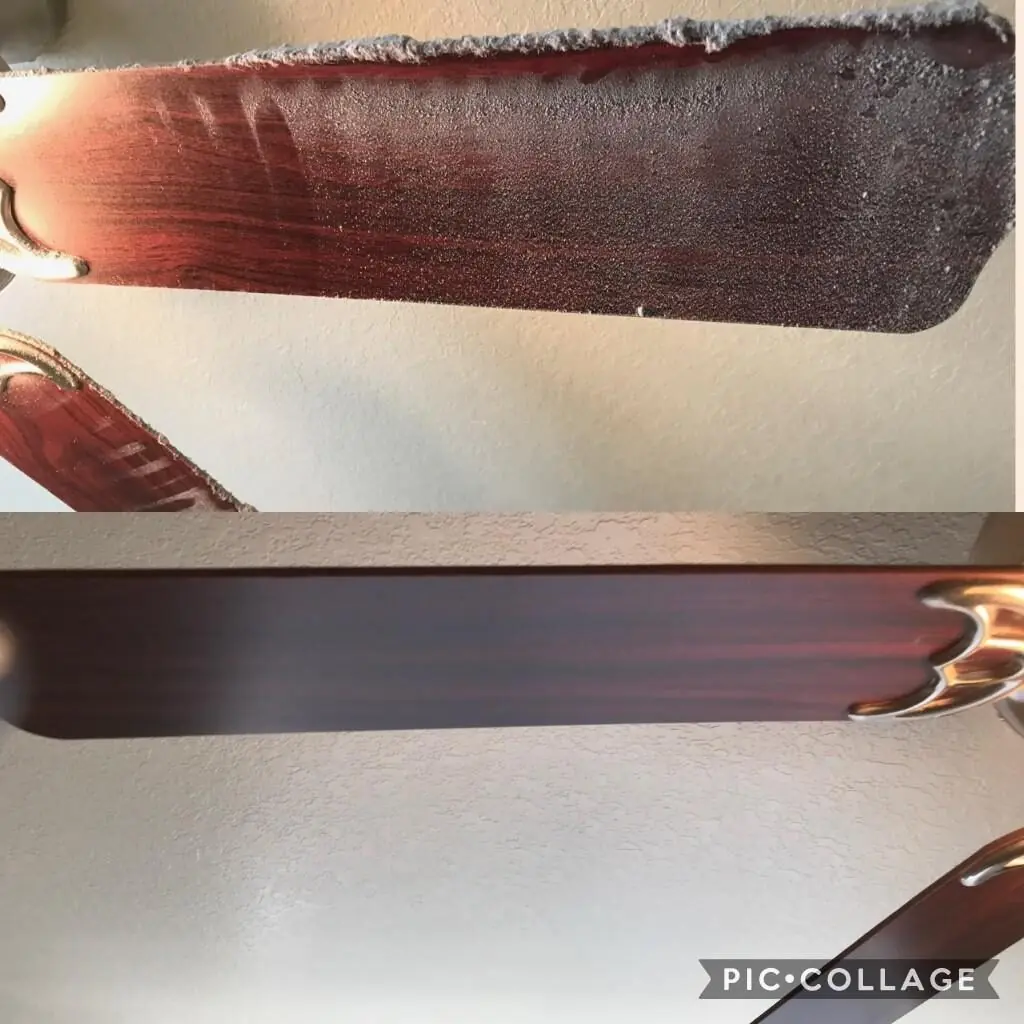
Every time the air handler kicks on, air moves through your filter, ducts, and vent covers, then out into the room. If those surfaces are dusty, you're not cooling your home so much as redistributing allergens through it. In Central Florida, where the AC runs most of the year and windows rarely open, that recirculation happens dozens of times a day. It's also why a home can look freshly cleaned and still feel dusty within 48 hours: the source is overhead, not on the shelves.
The single highest-impact thing you can do for indoor air quality is change your return-air filter on schedule. In Florida, with constant runtime and often pets, that means every 30–60 days, not the "90 days" printed on the box. A clogged filter strains the system, worsens air quality, and raises your power bill because the unit has to work harder to pull air through it. Write the date on the filter edge in marker so you're not guessing next time.
A quick test: hold the used filter up to a light. If you can't see light through it clearly, it's overdue. Swap it now rather than waiting for the next reminder.
Cleaning the vents themselves is simple, but it's easy to skip because they're overhead and out of the daily sightline. Here's the routine we use on recurring cleaning visits:
Look just inside the vent opening with a flashlight. Light dust on the surface is normal and part of the routine above. But if you can see heavy, matted dust lining the duct several inches past the vent, or if a musty smell hits when the AC first kicks on, that's a sign the ductwork itself, not just the covers, needs professional attention. That's a separate service from routine cleaning, but worth knowing the difference so you're not just wiping the surface of a deeper problem.
Vents are the start, but the dust that circulates also settles up high, everywhere the air currents drift. Don't skip ceiling fans (clean the tops of the blades, not just the visible undersides), door and window tops, and high ledges or crown molding, all classic landing spots that a standard once-over misses. Keeping indoor humidity in the 40–55% range helps too, since damp dust clings to surfaces and feeds mildew, which is its own air-quality problem in a humid climate like ours (more on that in our guide to stopping mold and mildew in a Florida home).
A simple schedule keeps this from becoming a project:
Build it into a routine, even a recurring house cleaning visit at a normal cadence, and you skip the big seasonal catch-up project.
Vent wiping, high dusting, and ceiling fans are standard in our recurring cleaning visits, so the dust never gets ahead of you. Serving Polk County, including Winter Haven and Lakeland.
Get a free quote →More cleaning tips
→ Spring Deep Cleaning Checklist for Florida Homes
→ Post-Construction Cleaning Checklist for New Builds & Renovations
→ How to Stop Mold & Mildew in a Florida Home
→ How to Get Streak-Free Windows Every Time
→ How to Deep Clean Your Kitchen Appliances
→ Pressure Washing Guide for Florida Homes & Businesses
→ Hurricane Prep & Cleanup Guide for Polk County Homes
→ How We Train and Vet Our Cleaners
→ Back to all cleaning tips