Cleaning Tips · Commercial & Construction
A post-construction cleaning checklist is what separates a "swept" job site from a space that's actually move-in ready. A finished build is covered in a fine layer of drywall dust that settles into every surface for days, and Florida's humidity makes it cling harder than it would up north. Getting a new or renovated space truly ready takes a phased approach, not one pass. Here's the checklist our commercial crew runs on every job.
By Beverly Hughes, Commercial Operations Lead, Orchid Cleaning Service. She landed Orchid's first commercial office building and built its commercial division.
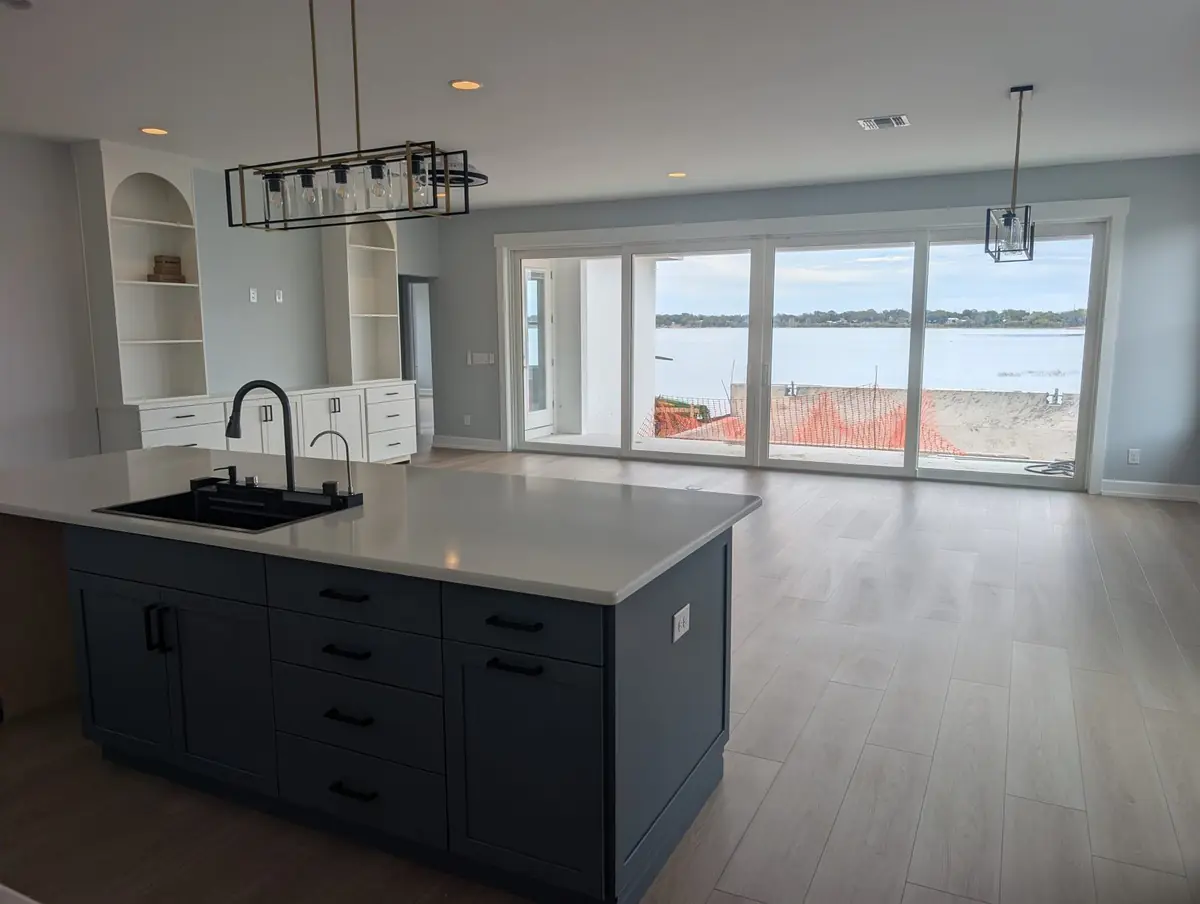
A real post-construction cleaning checklist has three distinct phases, not one big sweep-and-mop at the end. Builders and property managers who try to compress it into a single visit almost always end up calling someone back: dust re-settles for days after the last trade leaves, and Florida's humidity makes it stick to glass, tile, and fixtures instead of just wiping away. Here's how our commercial crew breaks the job down, phase by phase.
The rough clean happens once the major trades are out, and the goal is bulk removal, not detail work. You're clearing the site so the finer passes have something to actually work with instead of fighting through leftover debris.
The final clean is the detailed pass, and it's where drywall dust becomes the real enemy. Drywall dust is electrostatic: it clings to surfaces and re-settles even after you've wiped it away, so this phase means working top-down, and often going over high-dust areas twice. This is the pass that makes a space actually feel finished instead of just "cleaned up."
That last item matters more than most builders expect. Fine construction dust that isn't cleared from vents before the HVAC system runs gets pulled into the ductwork and recirculated for months afterward, one of the fastest ways a brand-new space starts smelling stale. If you want the mechanics of why, our guide on how to clean AC vents and improve indoor air quality covers it in more detail.
The touch-up clean happens right before the handover or grand opening, usually within a day or two of walkthrough. Because dust keeps settling even after a thorough final clean, this light pass catches whatever resurfaced: fingerprints on glass, a film on a countertop, a last vacuum of high-traffic paths. It's what makes the space look camera-ready the moment doors open.
It depends heavily on square footage and how much of the site was actively under construction versus untouched. A single commercial suite might run a rough clean in a few hours and a final clean in a full day with a two- to three-person crew. Larger projects (a full retail build-out, an office floor, or a public facility) can take a multi-day crew effort split across phases. We've documented full timelines on real jobs, including a $15.6M fire training facility and a 591 crew-hour public building cleanup, if you want a sense of scale for a larger project.
Post-construction work needs the right equipment: HEPA-filtered vacuums that actually capture fine dust instead of recirculating it, the right glass and stone-safe products for freshly installed finishes, and enough manpower to cover a whole site on a tight pre-opening timeline. It also requires knowing which surfaces can take a scraper or solvent and which can't without damaging a brand-new finish. It's a specialty for good reason, and it's a different job from a standard move-in or move-out clean, which deals with normal household residue rather than construction debris and dust.
Humidity changes the math on post-construction cleanup. Drywall dust that would just brush off in a dry climate turns into a thin paste on damp glass and tile here, so timing matters: cleaning too soon after AC startup, while surfaces are still cool and collecting condensation, can smear dust instead of lifting it. Grout haze from tile work also sets faster in Florida's humidity, so final cleans on tiled floors and showers need to happen before that haze cures hard. Any site that sat open to the elements during framing should get a mold and moisture check before the final clean. Closing up damp materials behind fresh drywall is a problem you don't want to find out about later.
Orchid handles post-construction cleaning and ongoing commercial janitorial for builders and businesses across Polk County, from final cleans to recurring upkeep.
Get a free quote →More cleaning tips
→ Spring Deep Cleaning Checklist for Florida Homes
→ How to Stop Mold & Mildew in a Florida Home
→ How to Get Streak-Free Windows Every Time
→ How to Deep Clean Your Kitchen Appliances
→ Pressure Washing Guide for Florida Homes & Businesses
→ How to Clean AC Vents and Improve Indoor Air Quality
→ Hurricane Prep & Cleanup Guide for Polk County Homes
→ How We Train and Vet Our Cleaners
→ Back to all cleaning tips